
Cairo Attractions — what to see, district by district
Twenty places worth your time, grouped the way the city actually splits. For each one: how long to allow, when to go, and the real day tour that covers it. Then plans for one, two and three days.
How many days do you need in Cairo?
Three days covers Cairo properly. One day is Giza and a museum. Two adds Islamic Cairo — the Citadel in the cool of the morning, Muizz Street and Khan El Khalili after dark. Three adds Saqqara and Dahshur, where the pyramid was actually invented. Two days works if you must; one day is a stopover, not a visit.
Giza and one museum
Giza plateau from 8am — the pyramids, the panorama point and the Sphinx — then lunch and either the Grand Egyptian Museum next door or the Egyptian Museum in town. Nothing else. Trying to add Islamic Cairo on top is how people end up seeing all of it badly.
Add the old city
Day one as above. Day two goes to the Citadel in the morning while it is cool, down through Sultan Hassan and Ibn Tulun, then Muizz Street and Khan El Khalili in the evening when the quarter is lit and the coffee houses fill.
Add Saqqara and Dahshur
The third day goes south to Saqqara, Dahshur and Memphis — the pyramids that came before Giza, and the quietest morning of your trip. If Coptic Cairo matters to you, it fits into an afternoon instead.
Cairo by district
Cairo is not one place. Grouping by area is the difference between a workable day and three hours in traffic — everything below is arranged the way you would actually visit it.
The Giza Plateau
UnmissableThe Pyramids, the Sphinx and the new Grand Egyptian Museum sit within a couple of kilometres of each other on the western edge of the city. If you have one day in Cairo, you spend it here.
About 45–60 minutes from central Cairo in traffic, or 20 minutes from a Giza hotel.
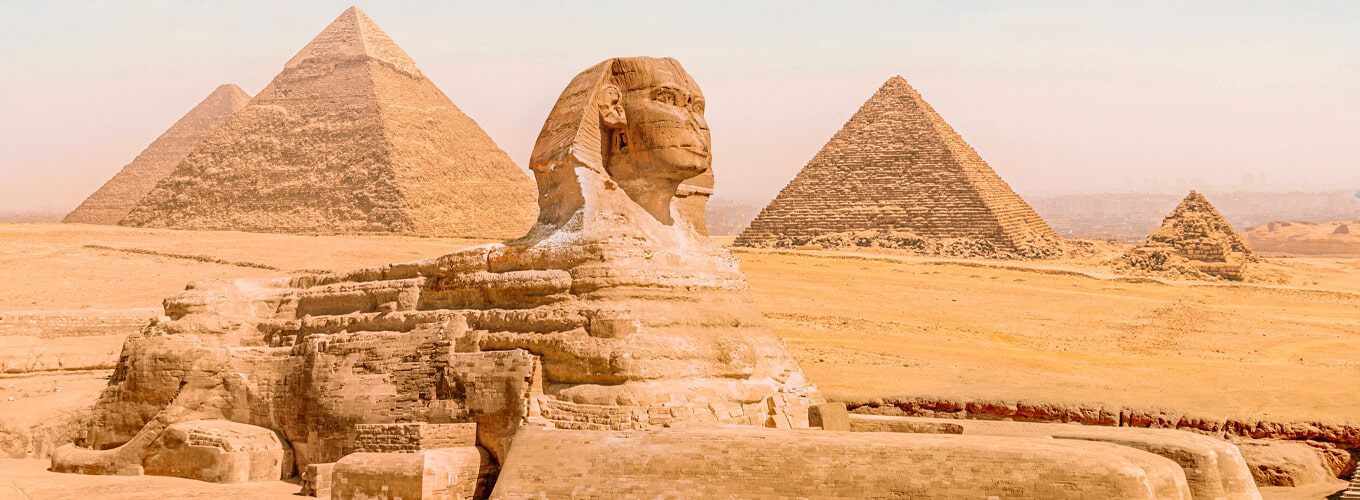
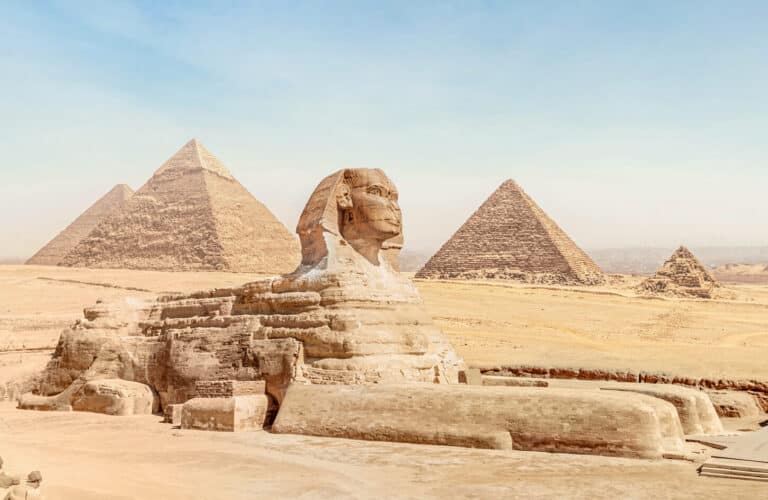
Giza Necropolis
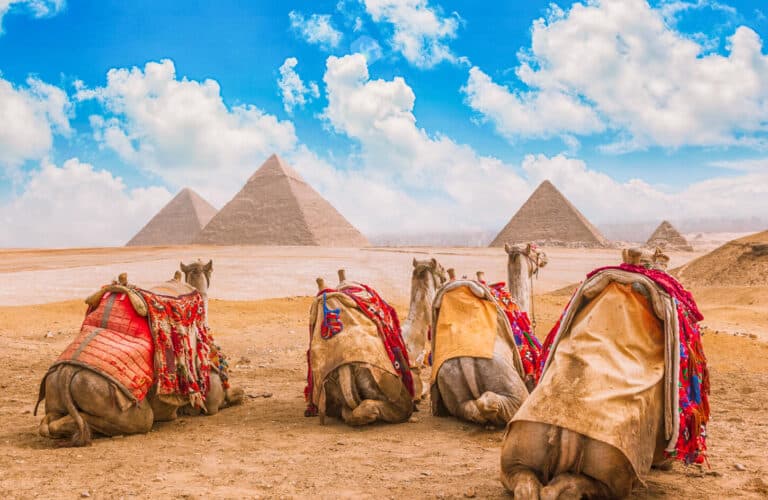
The three pyramids, the panorama point and the option to go inside Khufu. The only site in Cairo you should not compress.
Read the guide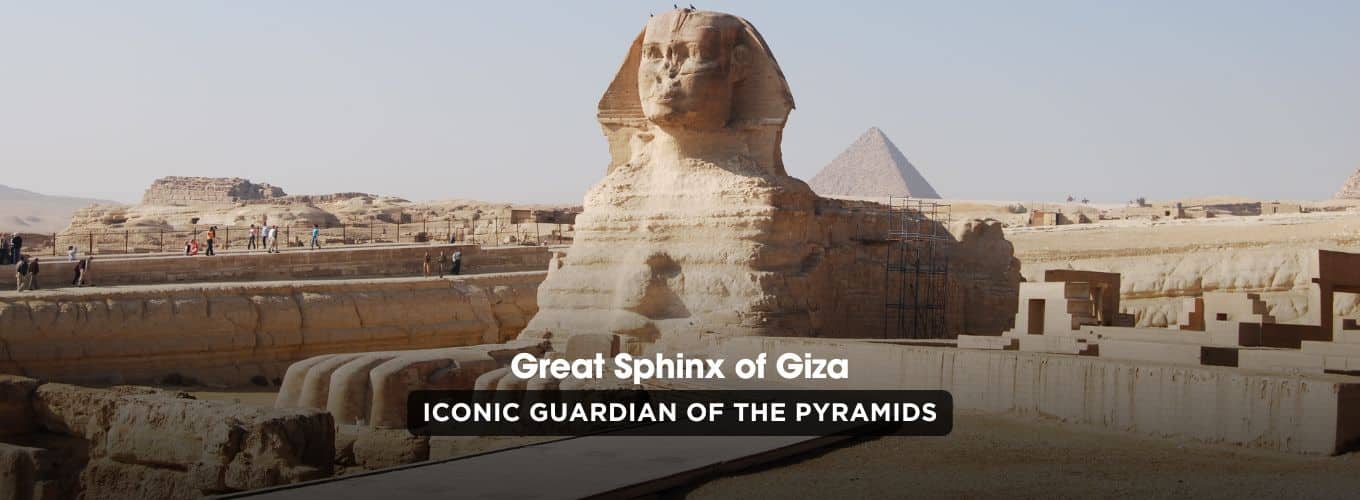
Great Sphinx of Giza
Inside the same plateau ticket, at the end of the causeway below Khafre. Best light in the early morning.
Read the guideTours that cover The Giza Plateau

Giza
Half-Day Tour to Pyramids of Giza & Sphinx
5.0 9 reviews
- Pyramids of Giza + the Sphinx
- Valley Temple of Khafre
- Private Egyptologist + hotel pickup
Giza
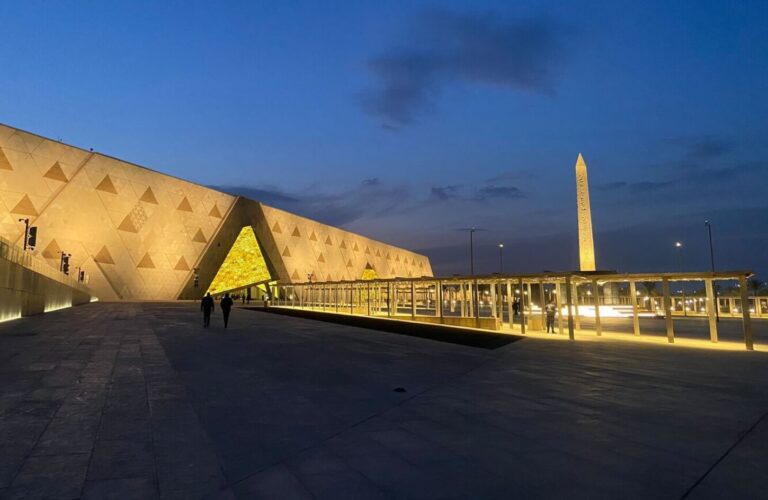
Grand Egyptian Museum & Giza Pyramids Tour
5.0 8 reviews
- Pyramids of Giza + the Great Sphinx
- Grand Egyptian Museum guided tour
- Private Egyptologist + lunch included
Giza
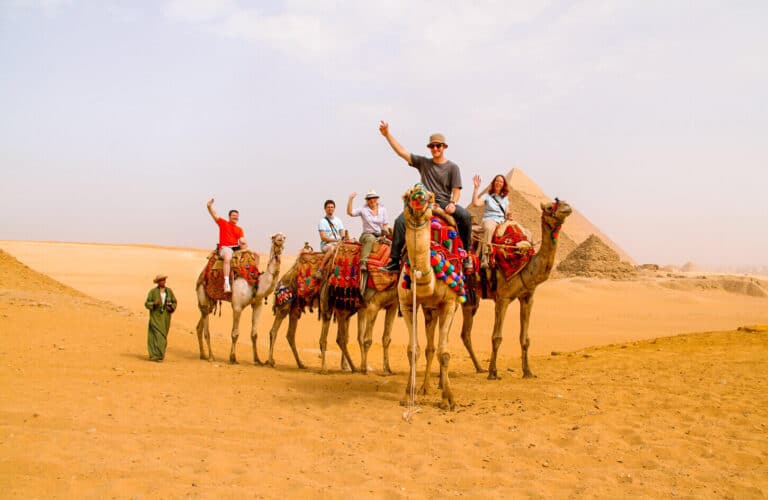
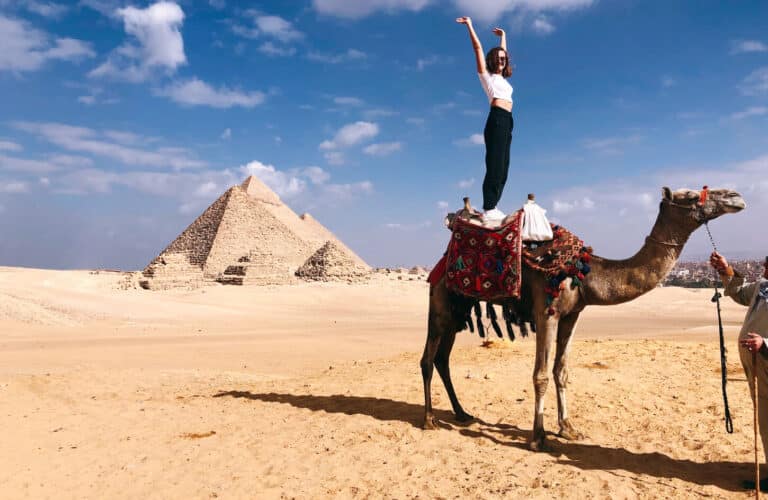
Pyramids of Giza Camel Ride
5.0 8 reviews
- Camel ride with pyramid views
- Guided visit of the Giza Plateau
- Lunch at a local restaurant

Giza
Quad Bike at Giza Pyramids at Sunset
5.0 6 reviews
- Quad biking over the desert dunes
- Pyramids of Giza + the Sphinx
- Hotel pickup + lunch included
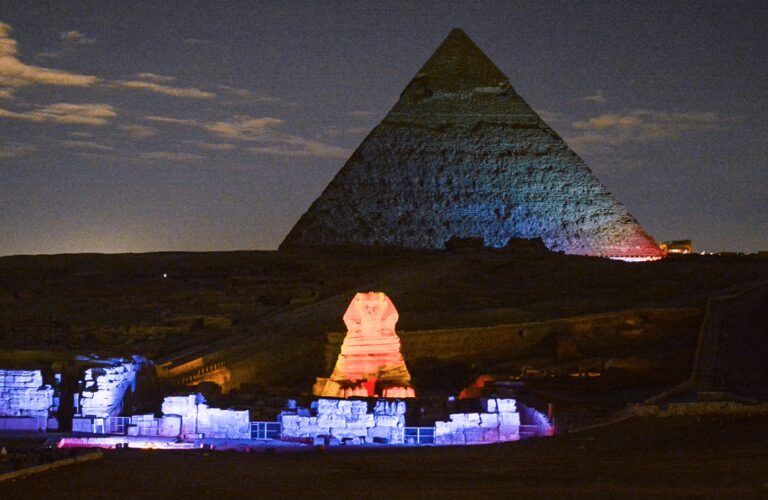
Giza
Sound and Light Show at the Giza Pyramids
- Sound & Light Show at the Pyramids
- Show tickets + Egyptian dinner
- English-speaking guide included
Saqqara, Dahshur & Memphis
Older than GizaThe pyramids that came before Giza, and the capital they were built for. Quieter, emptier and — for anyone who cares how the pyramid was invented — more interesting than the plateau.
40 minutes south of Giza by road. Always done as one trip; the three sites are close together.
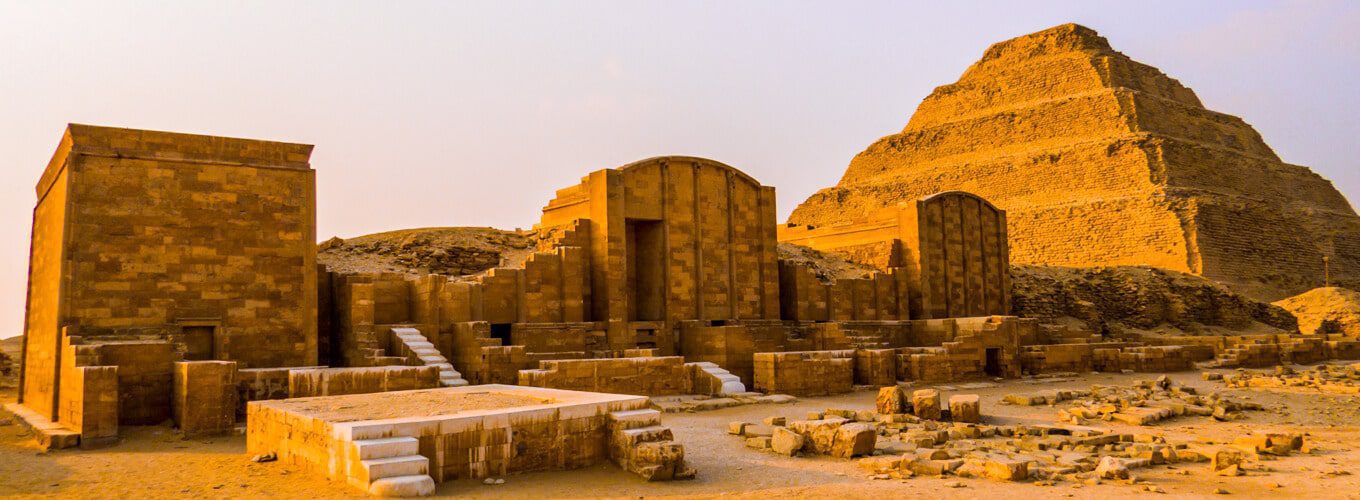
Necropolis of Saqqara
The vast burial ground of the Old Kingdom capital, with painted mastaba tombs most visitors walk straight past.
Read the guide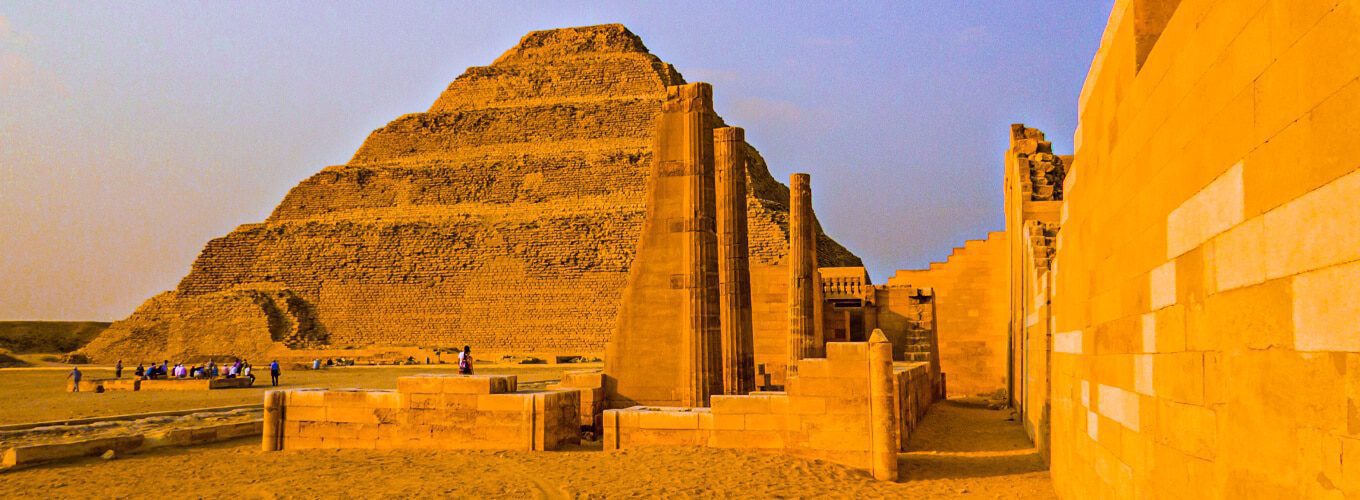
Pyramid of Djoser
The first pyramid ever built, and the first monumental stone building anywhere. Everything at Giza starts here.
Read the guide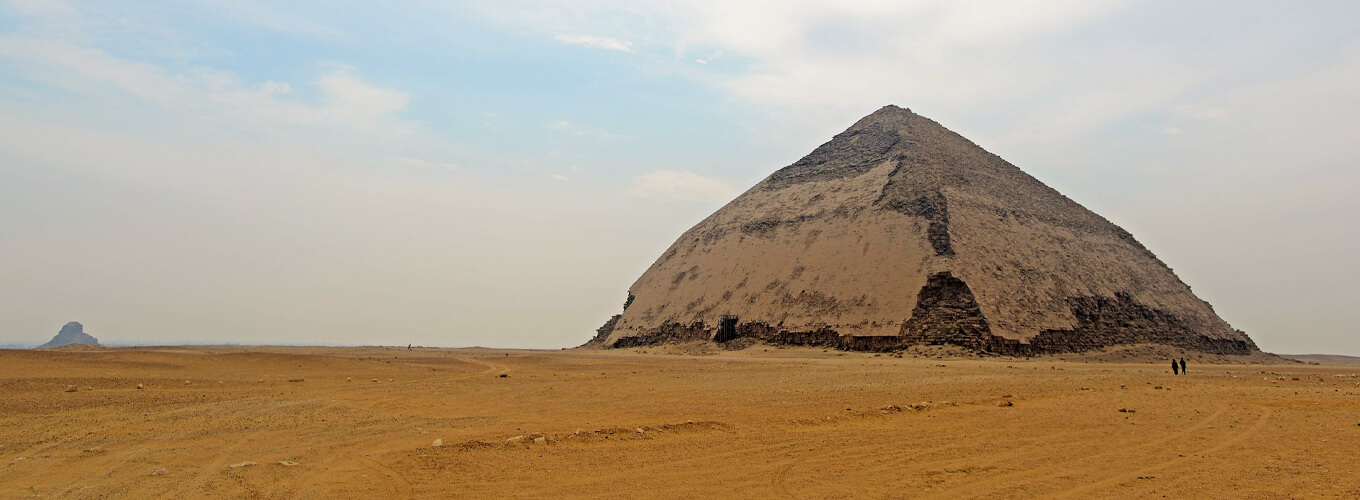
Dahshur Necropolis
The Bent and Red Pyramids — the two attempts that made Giza possible. Often almost empty, and you can go inside.
Read the guide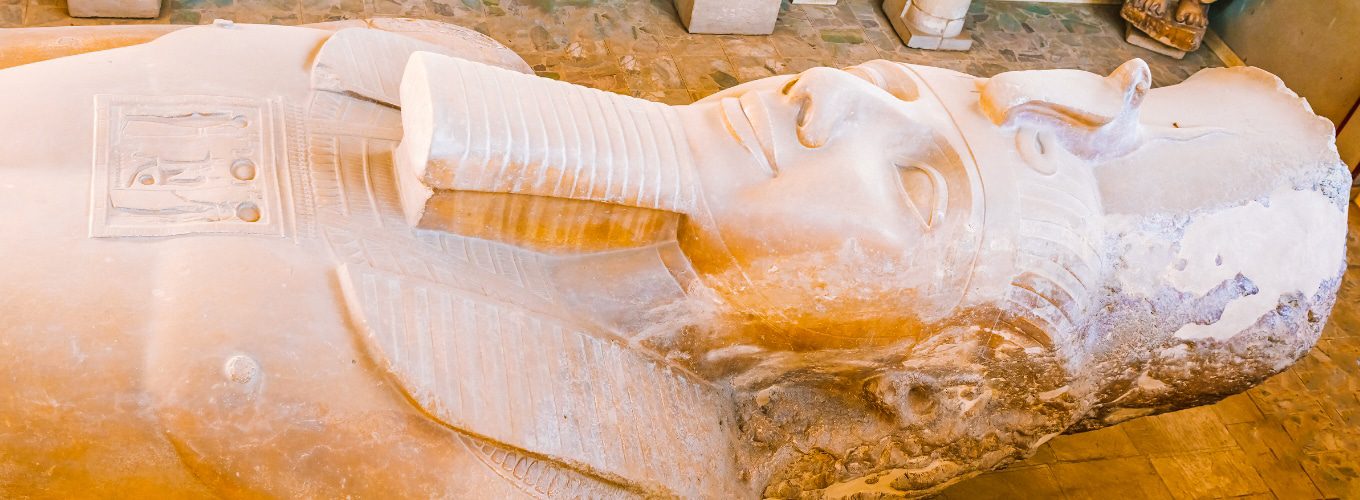
Ancient Capital of Memphis
Egypt’s first capital, now an open-air museum around a colossal fallen Ramesses II. Short, and worth the stop.
Read the guideTours that cover Saqqara, Dahshur & Memphis
Giza · Saqqara
Day Tour to Pyramids of Giza and Saqqara
5.0 6 reviews
- Pyramids of Giza + the Sphinx
- Step Pyramid of Djoser at Saqqara
- Lunch, entrance fees & guide included

Giza · Memphis · Saqqara
Full Day Tour to Giza Pyramids, Sphinx, Memphis and Saqqara
5.0 7 reviews
- Pyramids of Giza + the Sphinx
- Memphis open-air museum
- Step Pyramid of Djoser + lunch
The museums
Rainy-day proofCairo now has three major museums and they do not overlap. Which one you choose depends on what you want to see — the Tutankhamun collection, the royal mummies, or the classic hall.
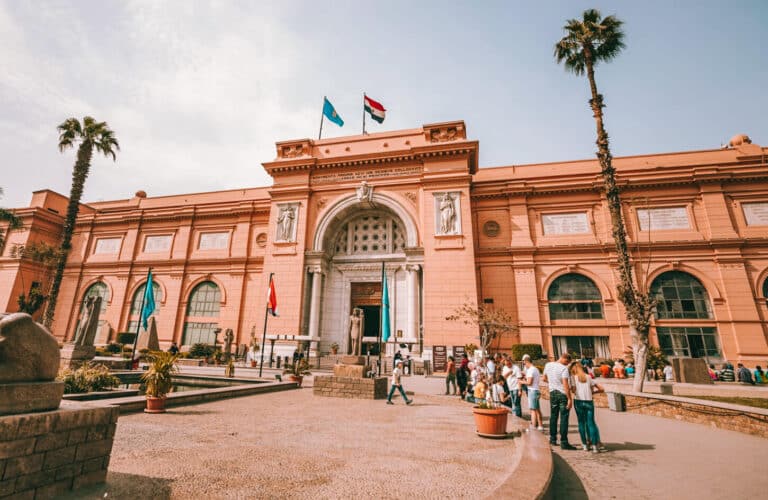
The Egyptian Museum is on Tahrir Square; the NMEC is in Fustat; the Grand Egyptian Museum is out at Giza.
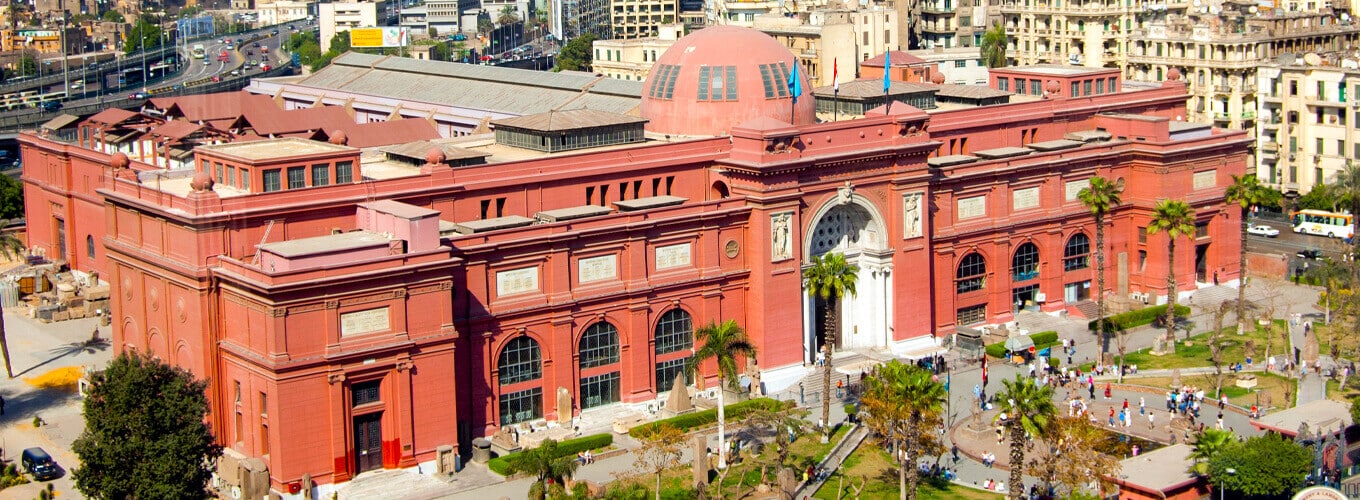
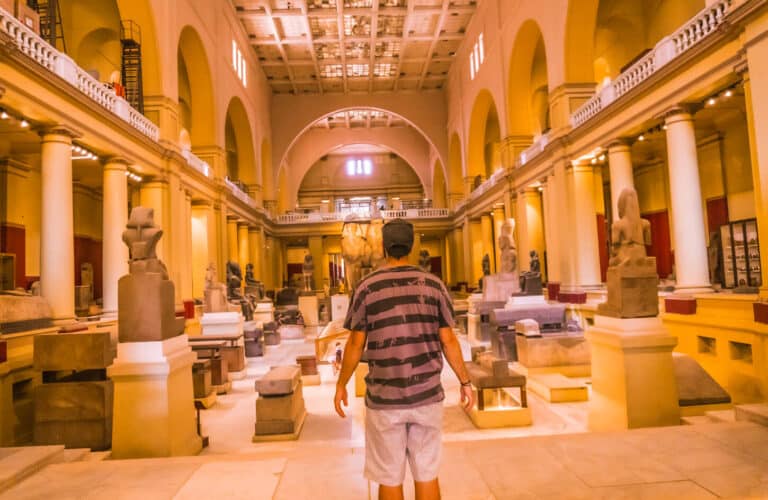
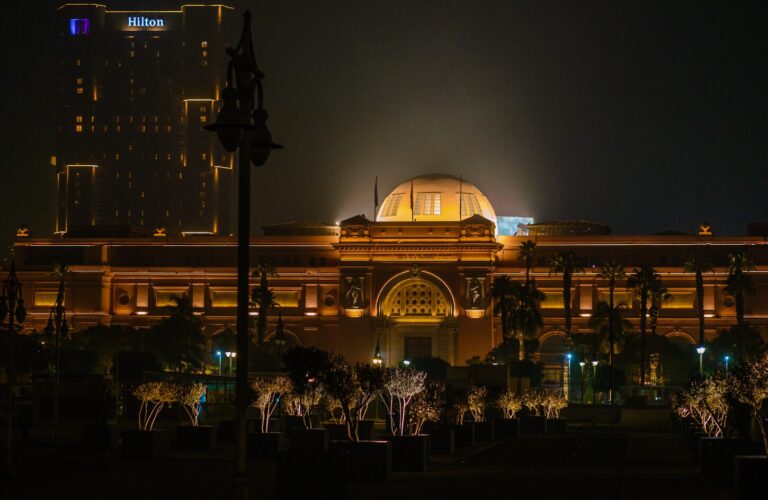
Egyptian Museum
The old red building on Tahrir. Crowded, unlabelled and wonderful — go for the sheer density of objects.
Read the guide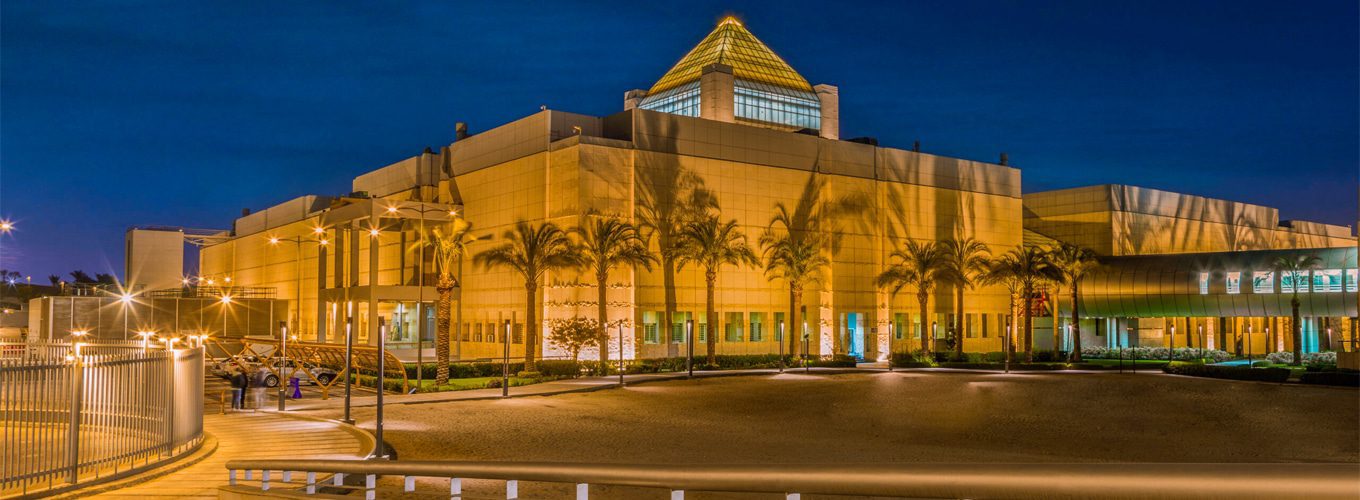
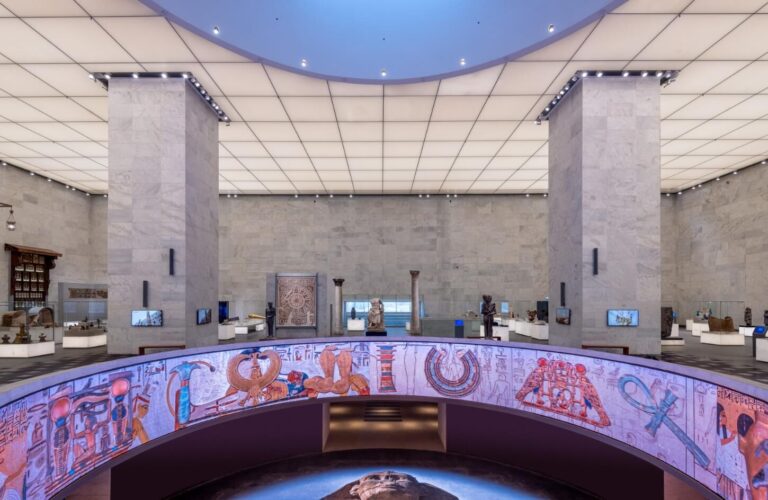
National Museum of Egyptian Civilization
Home of the Royal Mummies Hall — twenty pharaohs in one dim, quiet room. The most affecting hour in Cairo.
Read the guide
Tutankhamun at the Grand Egyptian Museum
The full Tutankhamun collection shown together for the first time, beside the Giza plateau. Allow longer than you think.
Read the guideTours that cover The museums
Cairo
Half-Day Tour to the Egyptian Museum
- Egyptian Museum guided visit
- Over 25,000 ancient artifacts
- Lunch, entrance fees & guide included

Cairo
Half-Day Visit to the Museum of Egyptian Civilization
- National Museum of Egyptian Civilization
- Private Egyptologist, A/C vehicle
- Egyptian lunch at a local restaurant
Giza · Cairo
Full Day Tour to Giza Pyramids & Egyptian Museum
5.0 7 reviews
- Pyramids of Khufu, Khafre & Menkaure
- The Sphinx + guided Egyptian Museum
- Lunch, entrance fees & guide included
Giza · Cairo
Giza Pyramids and the National Museum of Egyptian Civilization
5.0 8 reviews
- Pyramids, Sphinx & Valley Temple
- Royal Mummies Hall at the NMEC
- Lunch, entrance fees & guide included
Islamic Cairo
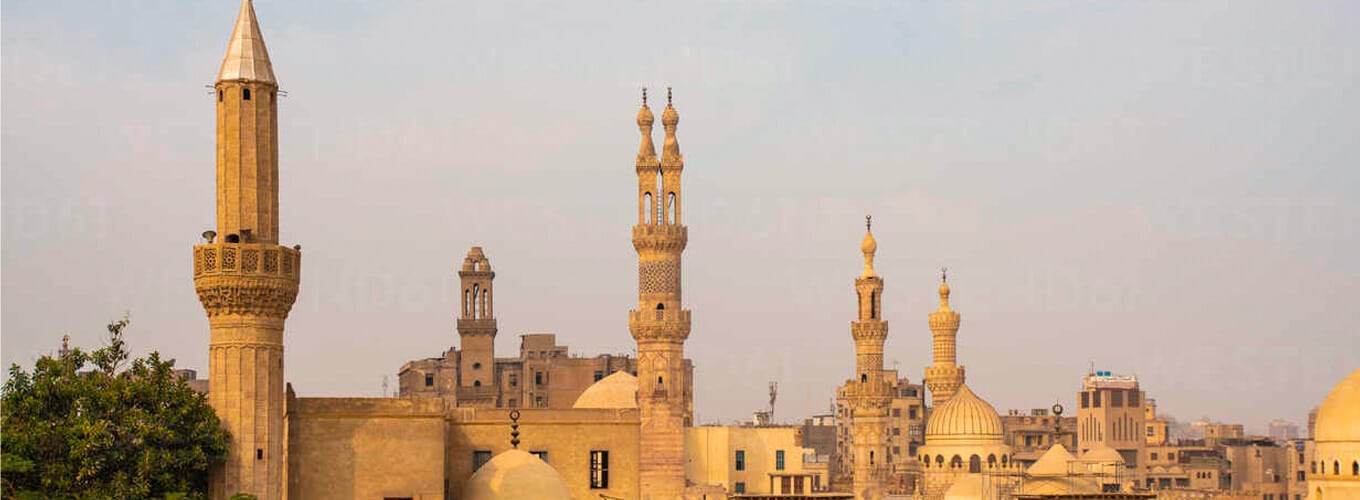
The living cityA thousand years of mosques, madrasas and merchant houses, still lived in. This is the half of Cairo most first-time visitors skip and then wish they had not.
Central and walkable once you are in it — the Citadel sits above, Muizz Street and Khan El Khalili below.
Islamic Cairo
The overview: what the quarter is, how it grew, and which streets are worth your legs.
Read the guide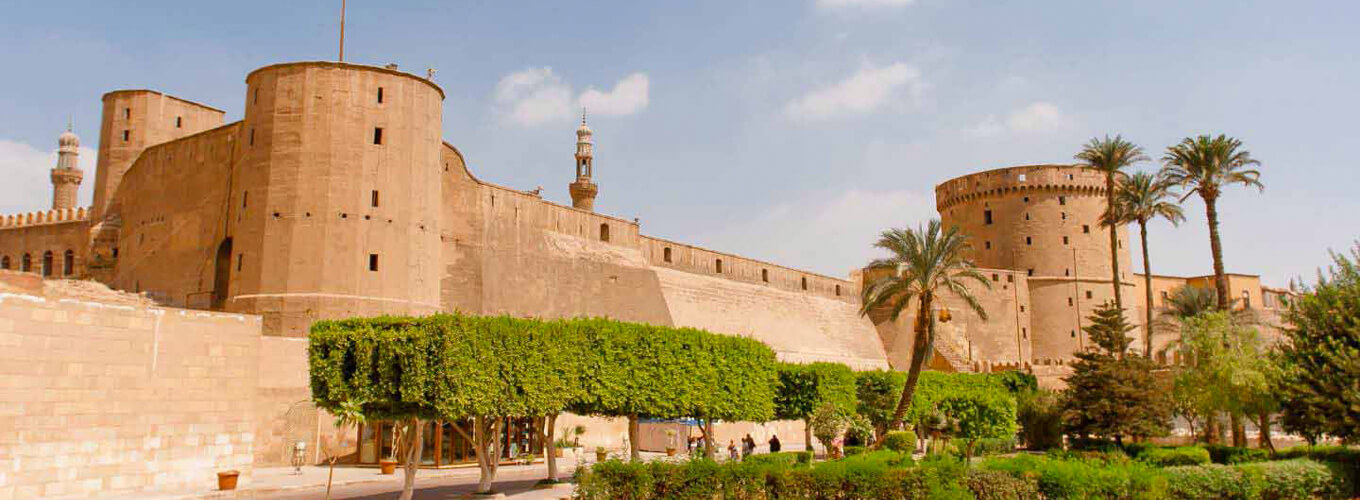
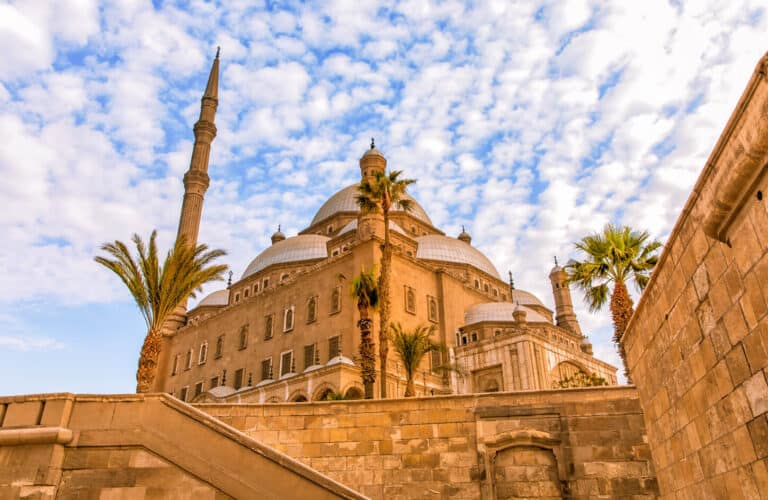
Saladin Citadel
The fortress above the city, and the best free view of Cairo — on a clear day the Pyramids are on the horizon.
Read the guide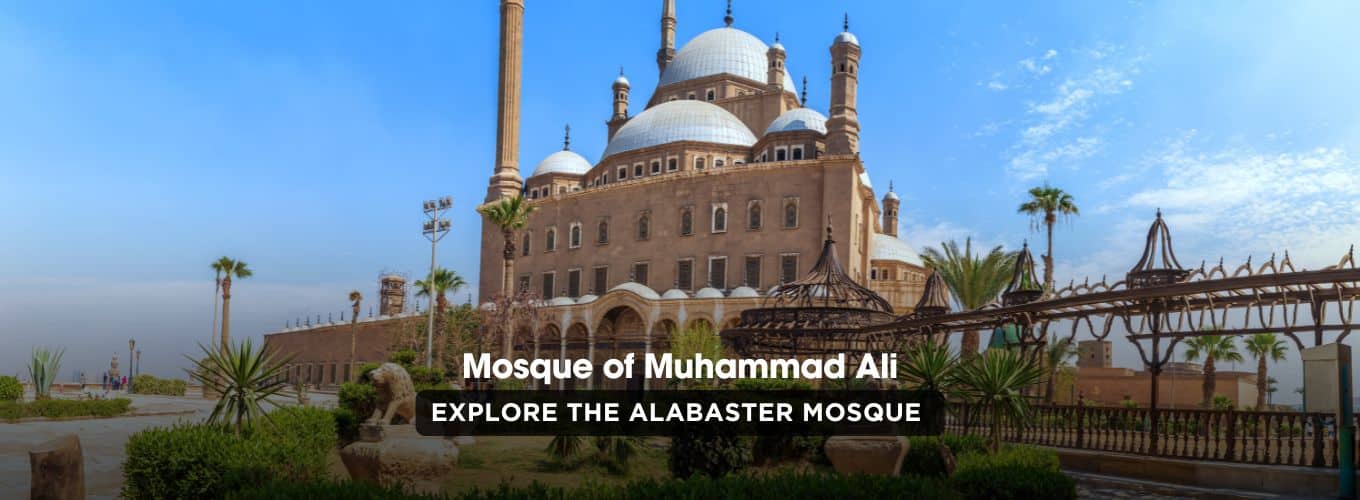
Mosque of Muhammad Ali
The alabaster mosque inside the Citadel, and the silhouette on every Cairo postcard.
Read the guide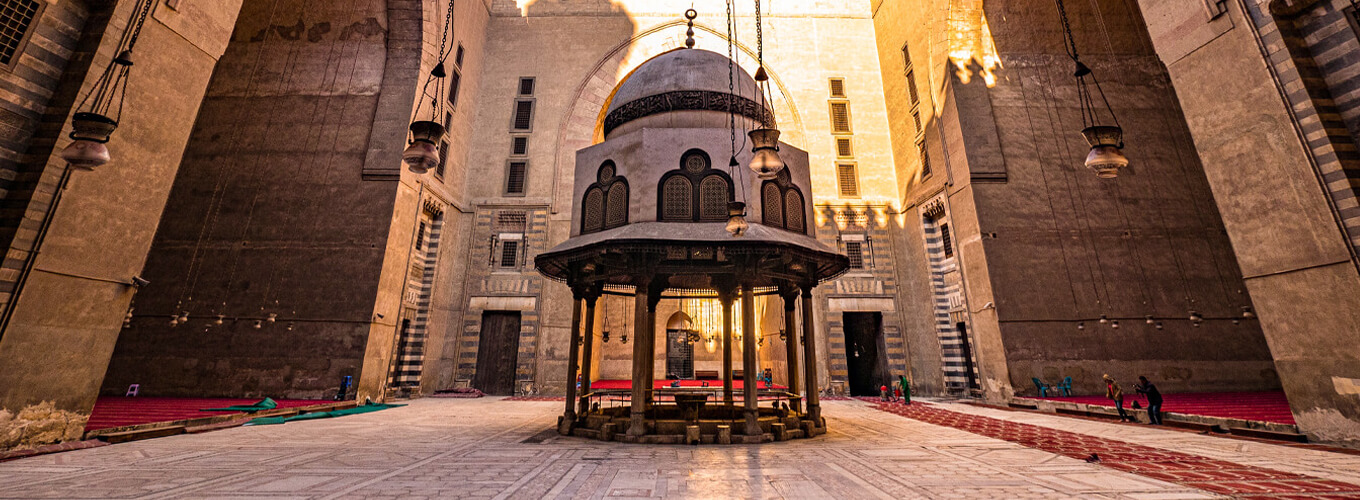
Mosque of Sultan Hassan
Mamluk architecture at its peak — a courtyard so tall and quiet it silences the traffic outside.
Read the guide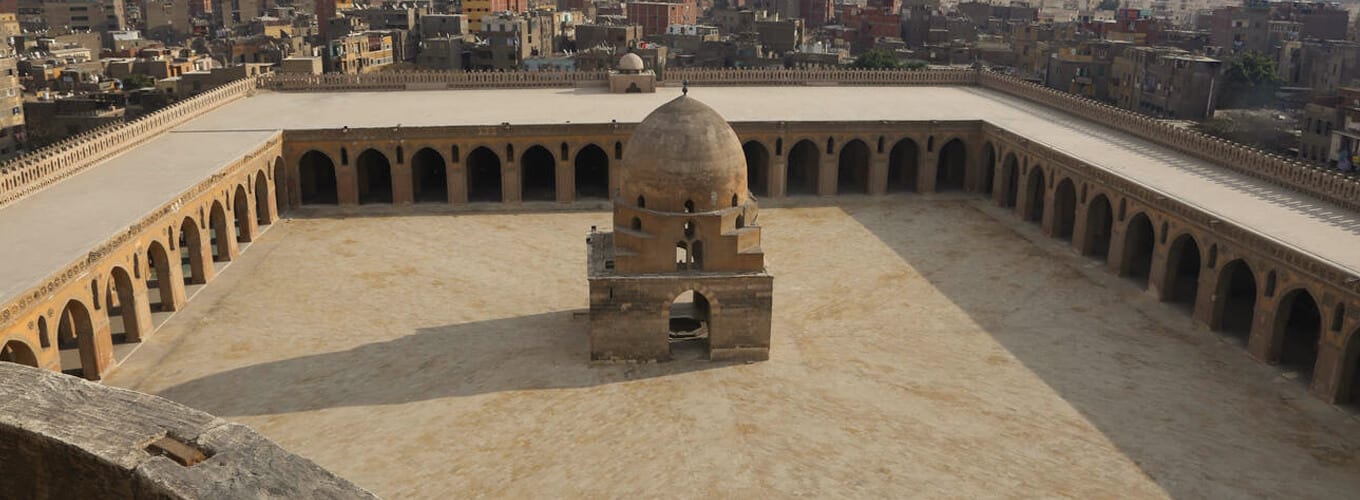
Mosque of Ibn Tulun
The oldest mosque in Cairo still in its original form, with a spiral minaret you can climb. Rarely busy.
Read the guide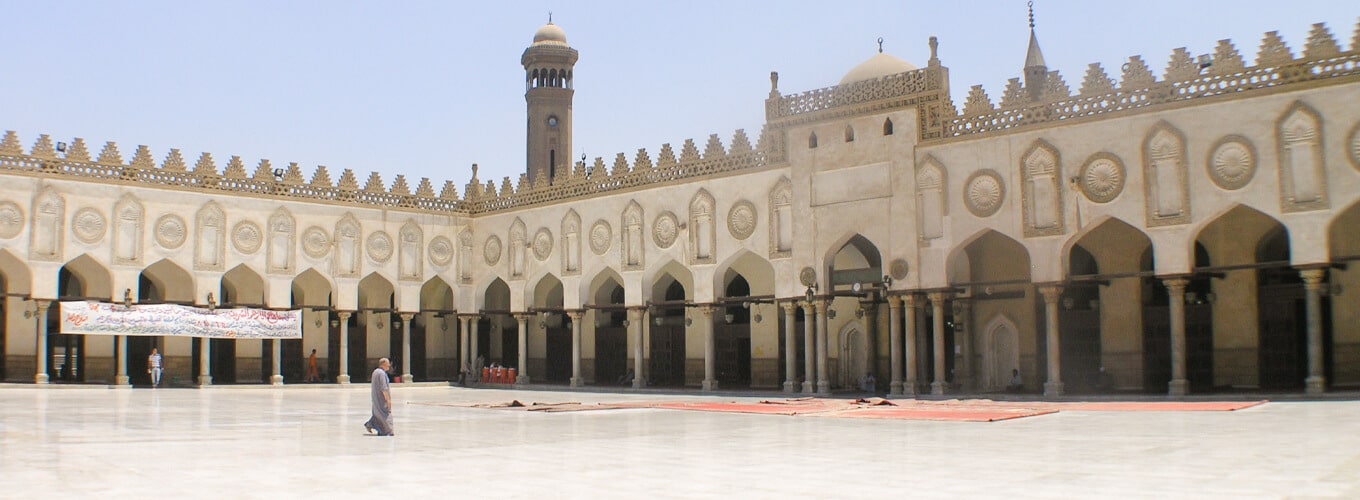
Al-Azhar Mosque
Founded in 970 and still a working university — the oldest continuously operating one in the world.
Read the guide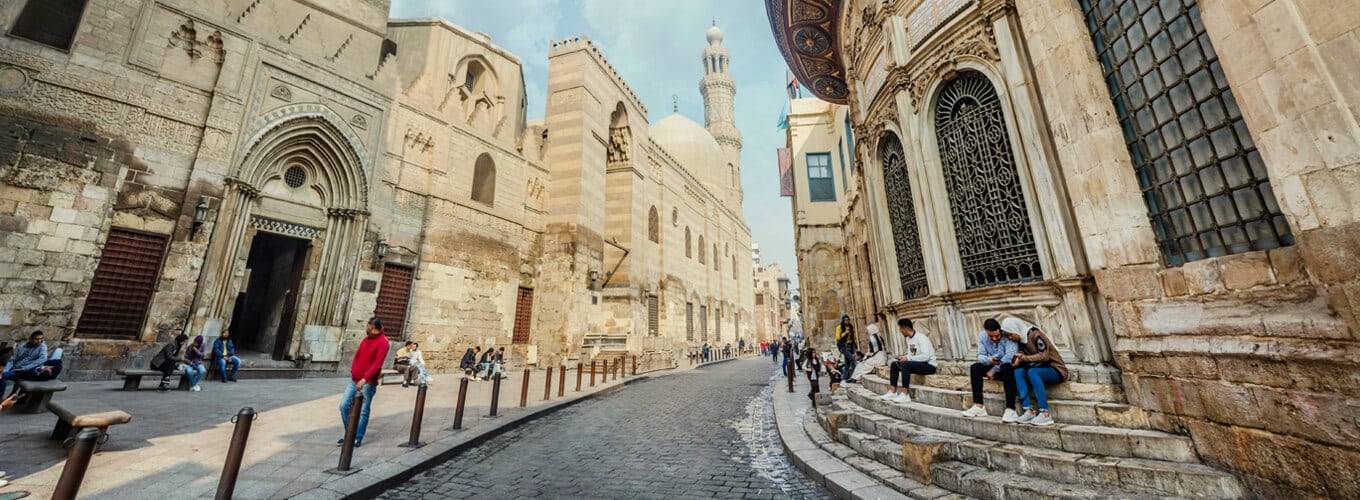
Muizz Street
The densest concentration of medieval Islamic architecture anywhere, and it is lit at night. Walk it slowly.
Read the guide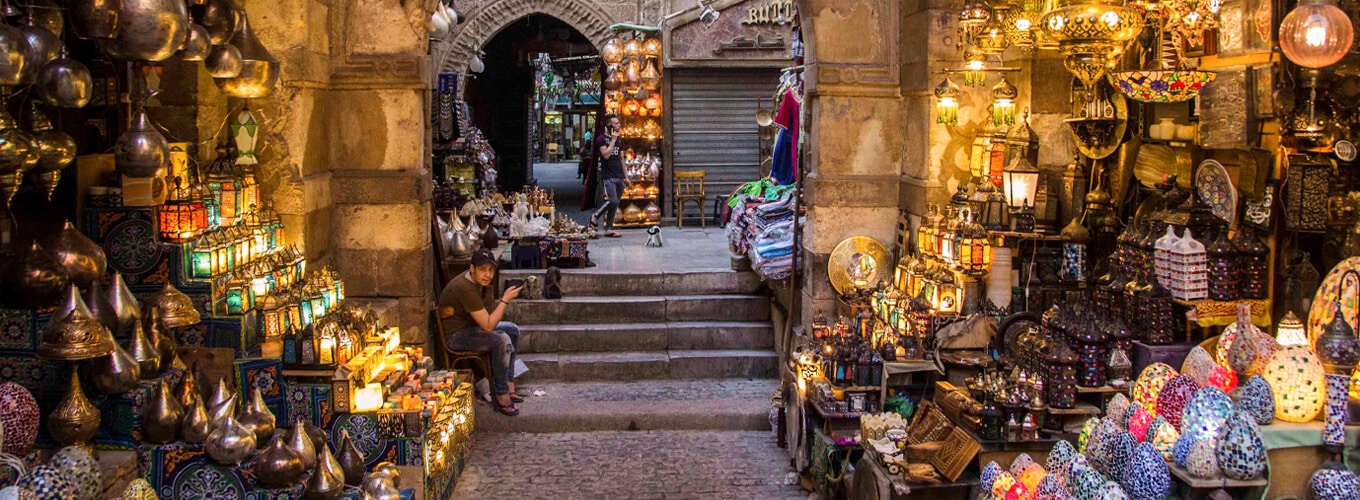
Old Cairo & Khan El Khalili
The great bazaar and the streets around it. Come for the coffee houses as much as the shopping.
Read the guide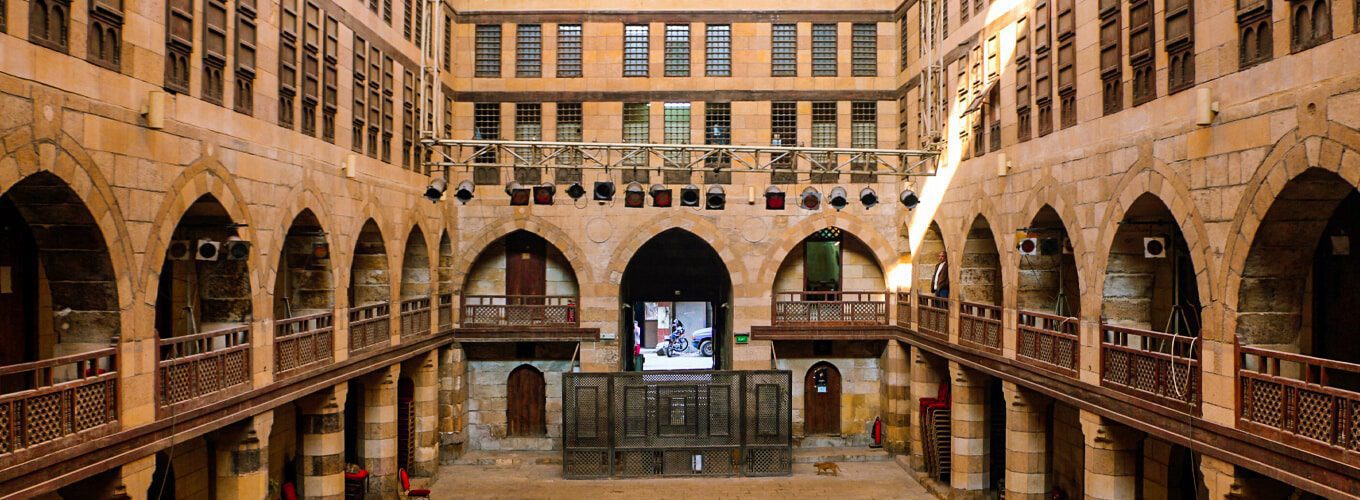
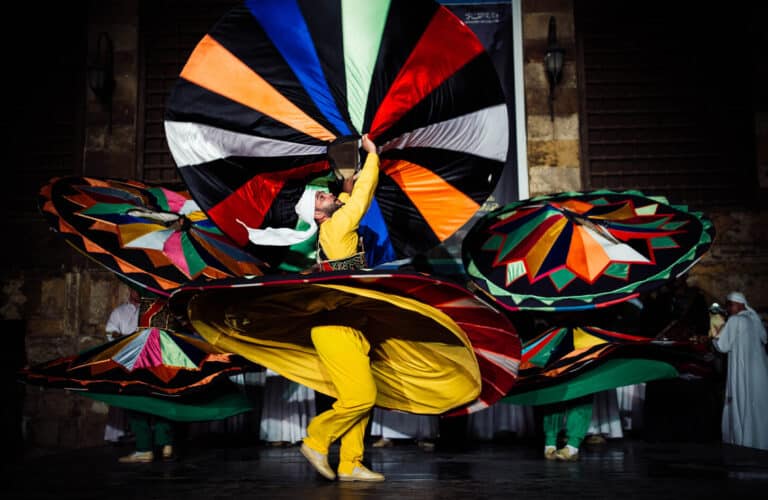
Wekalet El Ghouri
A restored Mamluk caravanserai that now hosts the Tanoura whirling-dervish performance. Book ahead.
Read the guideTours that cover Islamic Cairo
Giza · Cairo
Trip to Giza Pyramids, Cairo Citadel and Old Cairo
5.0 8 reviews
- Pyramids of Giza + the Sphinx
- Saladin Citadel & Alabaster Mosque
- Old Cairo churches + lunch included
Cairo
Egyptian Museum, Citadel and Old Cairo
- Egyptian Museum guided visit
- Saladin Citadel & Alabaster Mosque
- Old Cairo + lunch included
Giza · Cairo
Giza Pyramids, Egyptian Museum & Khan El Khalili
5.0 7 reviews
- Pyramids of Giza + the Sphinx
- Egyptian Museum guided visit
- Khan el-Khalili bazaar + lunch
Islamic Cairo
Tanoura Dance at Wekalet El Ghouri with Dinner
5.0 6 reviews
- Tanoura show at Wekalet El Ghouri
- 16th-century Islamic Cairo setting
- Traditional Egyptian dinner
Coptic Cairo
Half a morningA small walled quarter in Fustat holding some of the oldest churches in Egypt, a synagogue and the Coptic Museum — all within a few minutes’ walk of each other.
Mar Girgis metro station is at the entrance. Compact enough to cover in one visit.
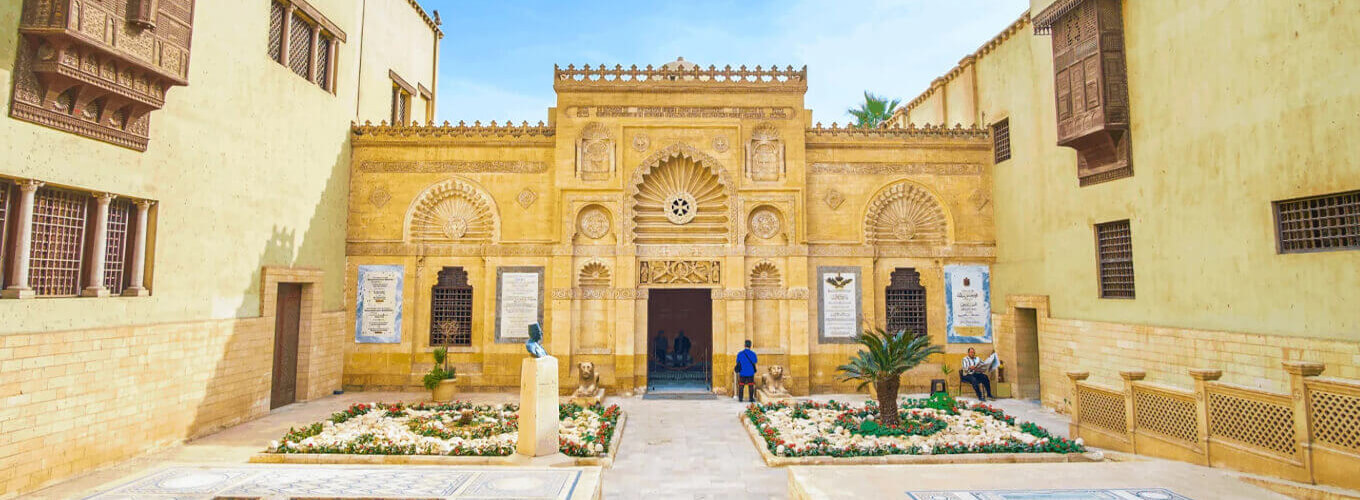
Coptic Cairo
The quarter as a whole, including the Coptic Museum and the Ben Ezra Synagogue.
Read the guide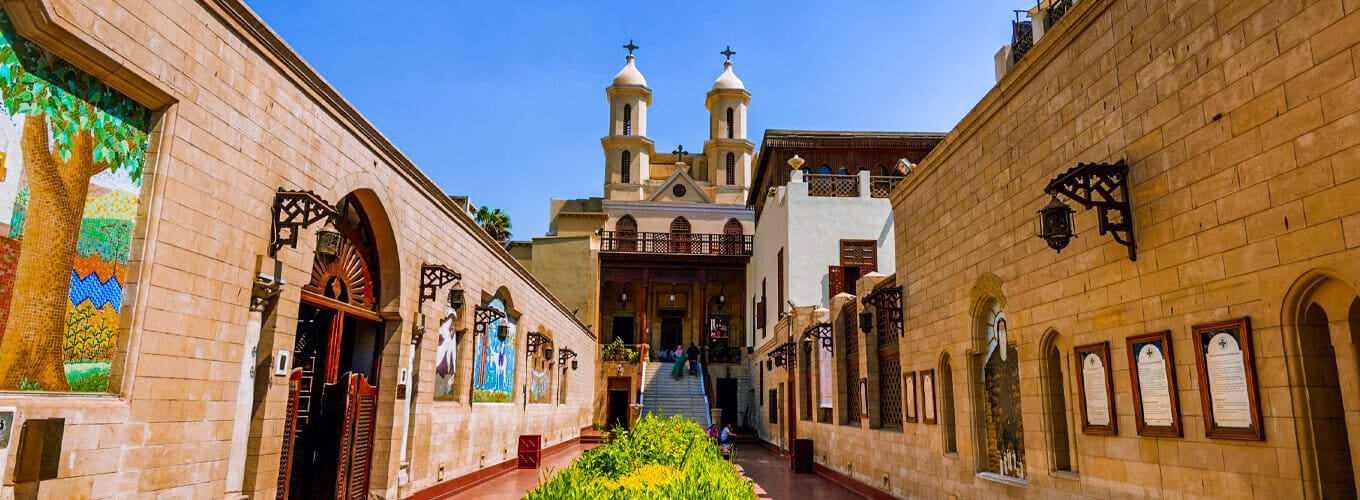
Hanging Church
Built over a Roman gatehouse, so its nave hangs above the ground — hence the name. The most photographed church in Egypt.
Read the guide
Church of St Sergius and Bacchus
Built over the crypt where the Holy Family is said to have sheltered. Fourth century, and still in use.
Read the guideTours that cover Coptic Cairo
Giza · Cairo
Tour to Giza Pyramids, Egyptian Museum & Old Cairo
5.0 7 reviews
- Pyramids, Sphinx & Valley Temple
- Egyptian Museum guided visit
- Old Cairo's Hanging Church + lunch
Cairo
Cairo City Tour: Egyptian Museum, Citadel and Old Cairo
- Egyptian Museum guided visit
- Saladin Citadel & Alabaster Mosque
- Old Cairo + lunch included
A word on ticket prices
We have deliberately not printed a price list. Entry fees in Egypt are revised regularly, and separate charges apply for going inside a pyramid, for the Royal Mummies Hall and for photography at some sites — so any list published in advance is wrong within months. On our tours every entry fee is included in the price you are quoted, and you are not paying at gates or carrying cash for tickets. Visiting independently, budget generously and check on the day.
Cairo does not stop at sunset
Most itineraries end at 5pm and miss the better half of the city. These four run in the evening.
Day trips from Cairo
Once the city is covered, these are the trips worth a whole day — or a night away.
The Mediterranean, the catacombs and the Qaitbay fortress. Long day, three hours each way.
Fayoum by car$110 12 hoursLakes, waterfalls and the fossil valley of Wadi El Rayan. The closest desert to Cairo.
Luxor overnight$390 2 daysFlights down and back with both banks in between. The only way to see Luxor from a Cairo base.
Bahariya Oasis overnight$255 2 daysThe White and Black Deserts, and a night camping under the sand formations.
Want these days arranged for you?
Tell Maro how long you have in Cairo and what you care about most, and you get a day-by-day plan with a private Egyptologist, all entry fees and transfers included — before you commit to anything.
Cairo attractions — your questions answered
What are the top attractions in Cairo?
The Giza Pyramids and the Great Sphinx come first and are not negotiable. After those: the Grand Egyptian Museum for the Tutankhamun collection, the National Museum of Egyptian Civilization for the Royal Mummies Hall, the Saladin Citadel with the Mosque of Muhammad Ali, Muizz Street and Khan El Khalili in Islamic Cairo, and Saqqara with the Step Pyramid of Djoser. Those seven cover the city properly in three days.
How many days do you need in Cairo?
Three. One day covers Giza and a museum. Two days adds Islamic Cairo — the Citadel in the morning, Muizz Street and Khan El Khalili in the evening. Three days adds Saqqara, Dahshur and Memphis, which is where the pyramid was actually invented. Two days is workable if you must, and one day is a stopover rather than a visit to the city.
How much do Cairo attraction tickets cost?
Entry fees in Egypt are revised regularly, and separate fees apply for going inside a pyramid, the Royal Mummies Hall and photography at some sites, so any list published in advance goes out of date fast. On our tours every entry fee is included and quoted in the price you are given, so you are not paying at gates or carrying cash for tickets. If you are visiting independently, budget generously and check on the day.
Which Cairo museum should I visit?
They do not overlap, so choose by what you want. The Grand Egyptian Museum at Giza holds the full Tutankhamun collection and needs three to four hours. The National Museum of Egyptian Civilization in Fustat holds the Royal Mummies Hall — twenty pharaohs in one dim room, and the most affecting hour in Cairo. The old Egyptian Museum on Tahrir Square is crowded and poorly labelled, and still worth it for the sheer density of what is in there.
Is Saqqara worth visiting if I have seen Giza?
Yes, and for many travellers it is the better morning. The Step Pyramid of Djoser at Saqqara is the first pyramid ever built and the first monumental stone building anywhere — Giza is the result of the experiment that started there. Add Dahshur, where the Bent and Red Pyramids show the two attempts in between, and you can usually walk into them with nobody else around.
What is the best time of day to visit the Pyramids?
From 8am, when the site opens and the coaches have not arrived. You get cooler air, softer light and an hour or so of relative quiet before the plateau fills. Late afternoon is the second-best option and gives better light for photographs, but you lose the option of going inside if queues have built. Avoid the middle of the day between May and September — there is no shade up there at all.
Can I visit Islamic Cairo and Coptic Cairo in one day?
Yes, and they pair well. Coptic Cairo is compact — the Hanging Church, St Sergius and the Coptic Museum sit within a few minutes of each other and take a morning. Islamic Cairo is much larger and best in the late afternoon and evening, when the Citadel view is at its clearest and Muizz Street is lit. Several of our full-day tours run exactly this combination.
What day trips can I take from Cairo?
Alexandria by car takes twelve hours door to door and covers the catacombs, the library and the Qaitbay fortress. Fayoum is a similar length and gives you lakes, waterfalls and the fossil valley of Wadi El Rayan. For anything further, go overnight — Luxor is a two-day trip by flight, and Bahariya Oasis is two days with a night camping in the White Desert.