
Luxor Attractions — the East Bank and the West Bank
The Nile splits Luxor in two, and so does everything you will do here: temples for the living on the east, tombs for the dead on the west. Learn the split and the city plans itself.
Which river is in Luxor, and why it matters
The Nile runs straight through the middle of Luxor, and it is the reason the city is laid out the way it is. The ancient Egyptians built for the living where the sun rises — the East Bank, with Karnak and Luxor Temple — and buried their dead where it sets, on the West Bank. Every site below is on one side of that river or the other.
West Bank
Where the sun sets, so where the ancient Egyptians buried their dead. Royal tombs cut into the hills, mortuary temples along the edge of the cultivation, and almost nothing modern.
When to go: Go early. There is no shade and the valleys hold heat like an oven — by 11am in summer it is genuinely unpleasant. Half a day minimum, a full day if you want three or four tombs.
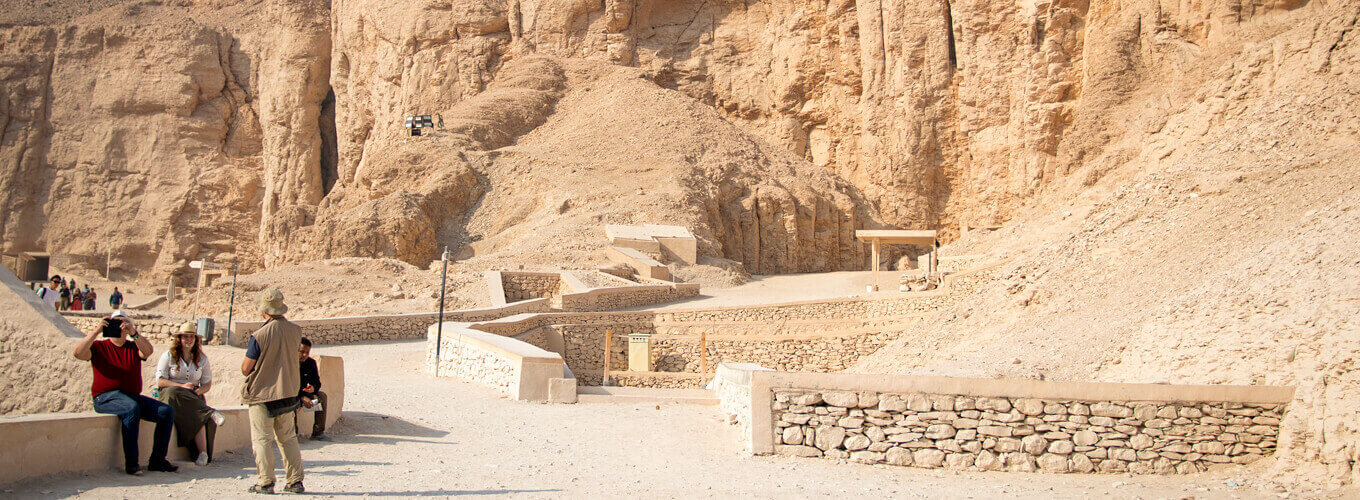
Valley of the Kings
Sixty-odd rock-cut royal tombs, including Tutankhamun’s. A standard ticket covers three; the famous ones cost extra and are worth it.
Read the guide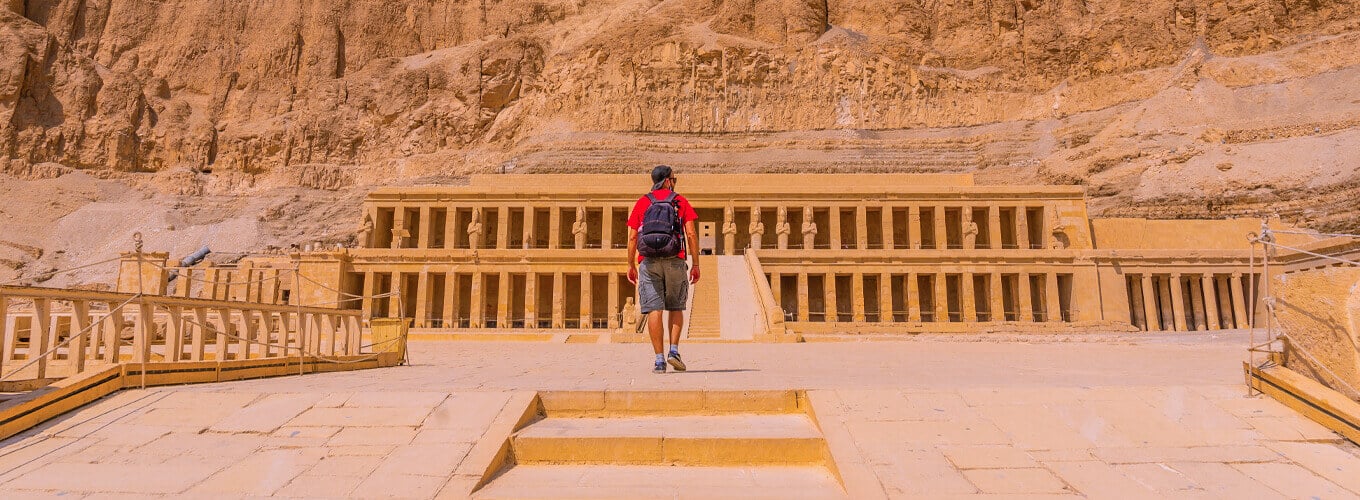
Temple of Hatshepsut
Three colonnaded terraces built straight into the cliff at Deir el-Bahari, for the woman who ruled as pharaoh. Utterly unlike anything else in Egypt.
Read the guide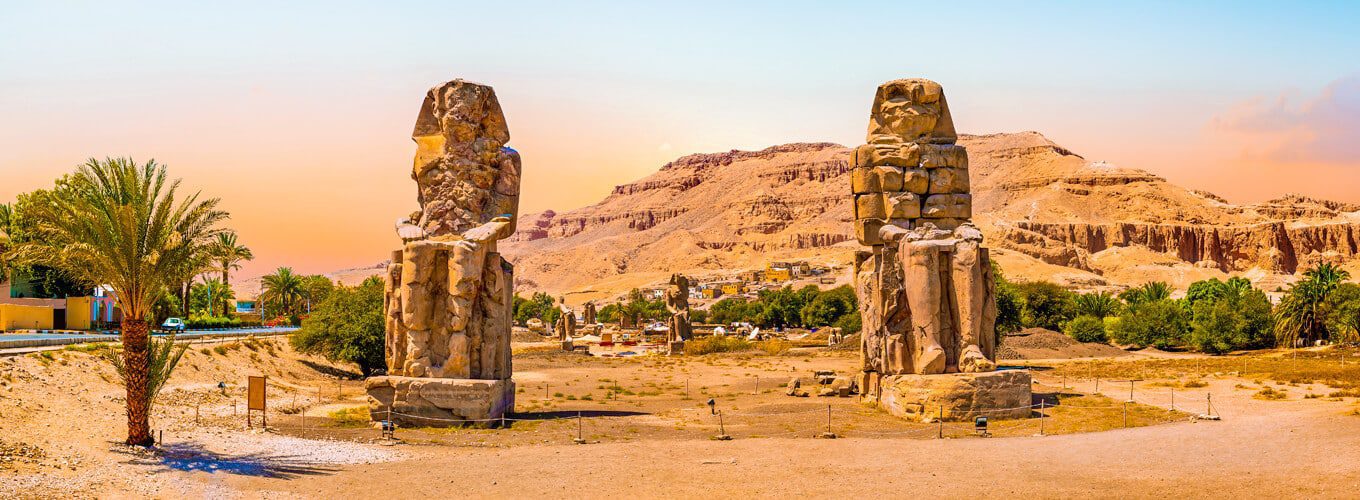
Colossi of Memnon
Two seated giants of Amenhotep III, all that is left standing of what was once the largest temple in Egypt. A roadside stop, not a destination.
Read the guide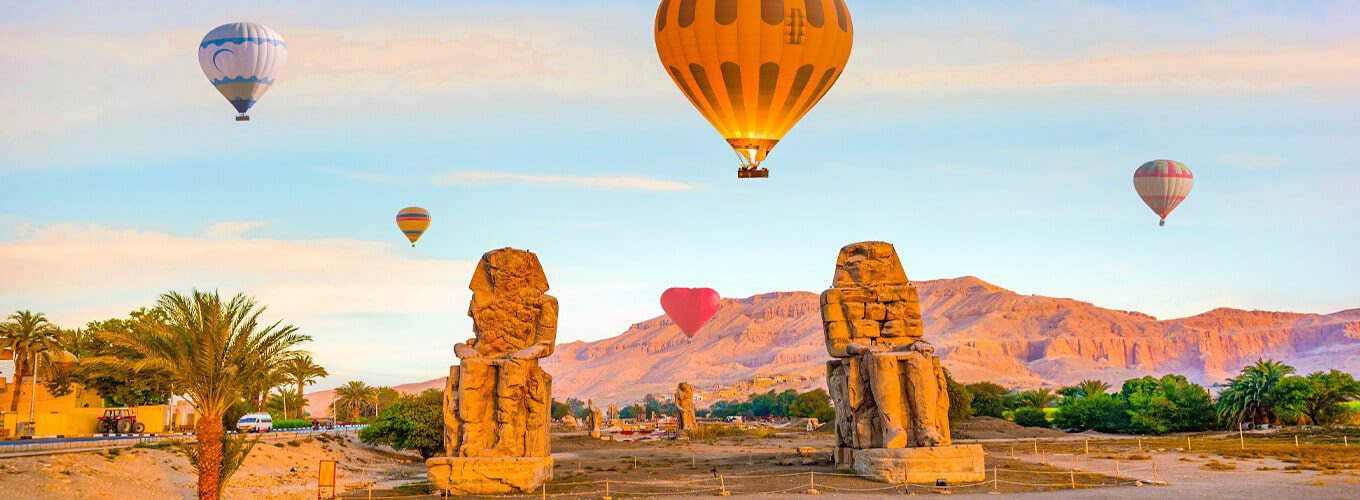
Hot Air Balloon over Luxor
Lifts off over the West Bank at first light — the valleys, the temples and the green strip against the desert, all at once. The best money you will spend in Luxor.
Read the guideEast Bank
Where the sun rises, so where the ancient Egyptians built for the living — and where modern Luxor still is. Two enormous temples, the corniche, the souk and every hotel.
When to go: Late afternoon and evening. Both temples are open late and both are lit after dark, which is when they are at their best and coolest. Half a day covers them.
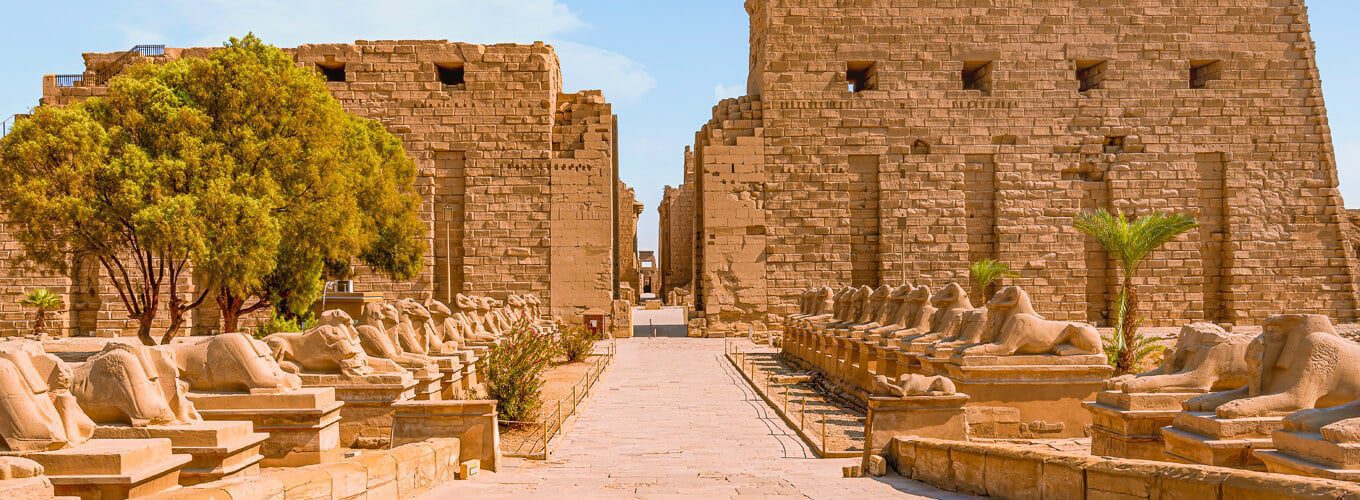
Karnak Temple
The largest religious complex ever built, added to for around 2,000 years. The Hypostyle Hall alone — 134 columns, some 21 metres high — justifies the trip to Egypt.
Read the guide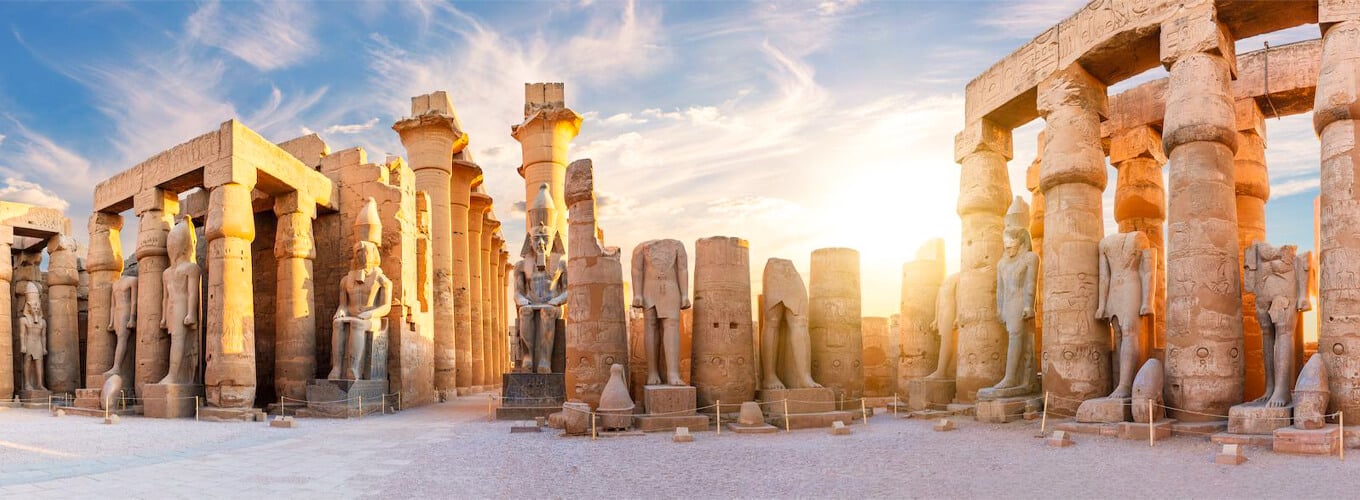
Luxor Temple
In the middle of the modern town, connected to Karnak by the restored Avenue of Sphinxes. Floodlit at night, and the single best evening in Upper Egypt.
Read the guideHow many days do you need in Luxor?
Two, and the reason is the heat rather than the distance — the West Bank has to be done at dawn, which means it owns a morning by itself.
Both banks, fast
West Bank from 6am — Valley of the Kings, Hatshepsut, a stop at the Colossi. Back across for lunch and a rest through the worst heat, then Karnak in the late afternoon and Luxor Temple after dark. It works, but it is a long day.
The right amount
Day one on the West Bank at an unhurried pace, with time for three or four tombs and the mortuary temples. Day two on the East Bank — Karnak in depth, the museum, and Luxor Temple lit at night. This is what we build into most itineraries.
Add a balloon and Dendera
A pre-dawn balloon on the third morning, then the drive north to Dendera for the painted ceiling, and Abydos too if you are willing to make it a long one. Very few travellers do this, and the ones who do rate it their best day in Egypt.
Two temples worth the drive north
Neither is in Luxor, and both are better preserved than anything that is. Usually done together in one long day.
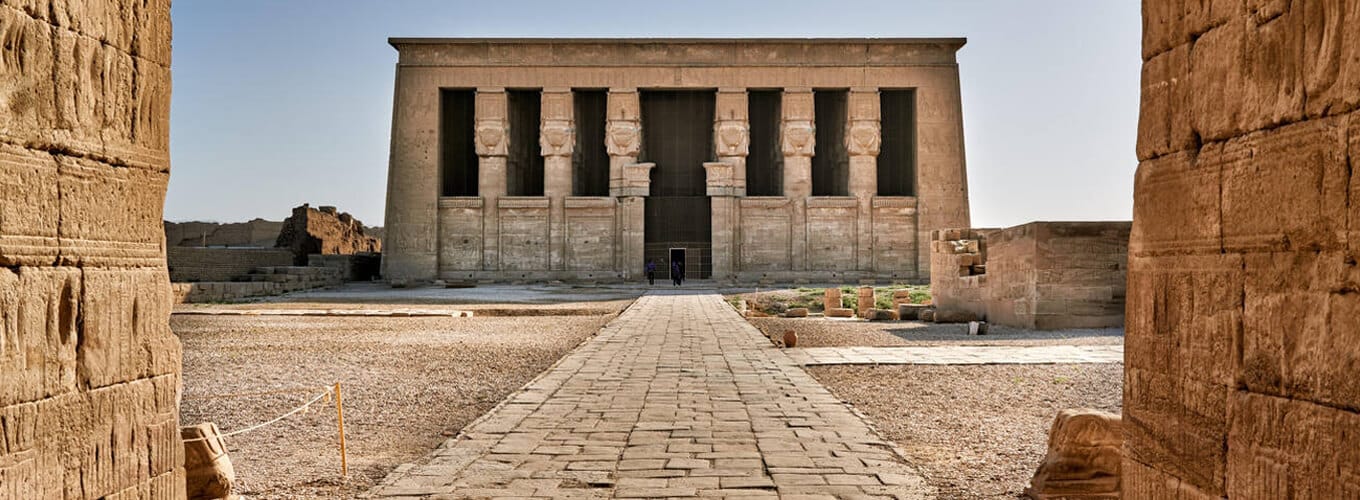
Temple of Dendera
The best-preserved painted ceiling in Egypt — zodiac, night sky and all — cleaned back to its original colour. Far quieter than anything in Luxor itself.
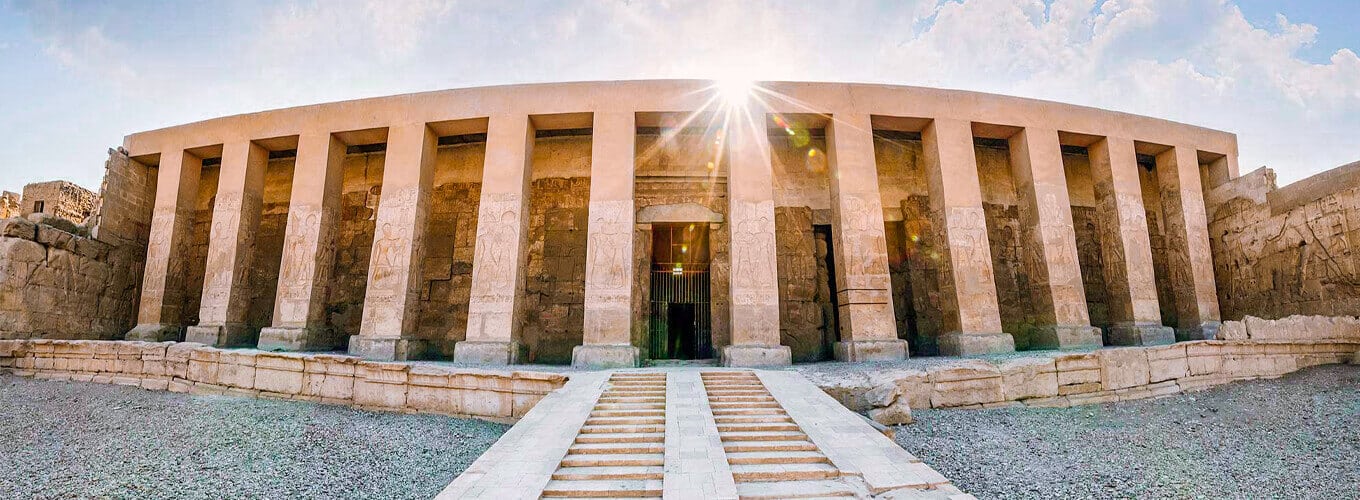
Temple of Abydos
Seti I’s temple, holding the King List — the carved sequence of pharaohs that anchors Egyptian chronology. Usually paired with Dendera in one long day.
Tours that put you in Luxor
Prices per person, twin share, with hotels, internal flights, entry fees, a private Egyptologist and transfers included.
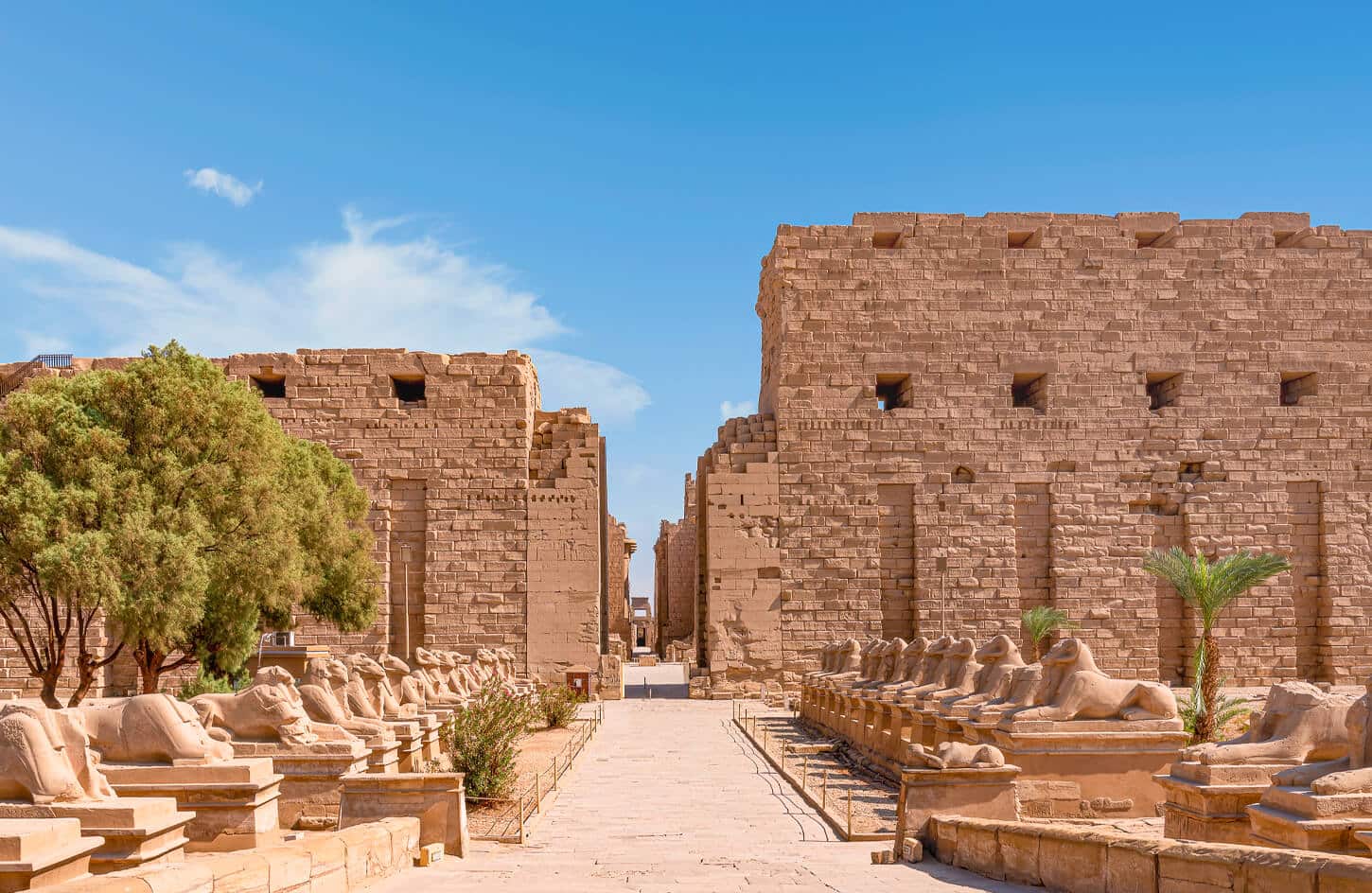
Cairo · Luxor
Overnight Tour to Luxor from Cairo
5.0 5 reviews
- Karnak & Luxor temples
- Valley of the Kings + Hatshepsut
- Flights + 1 night in Luxor included
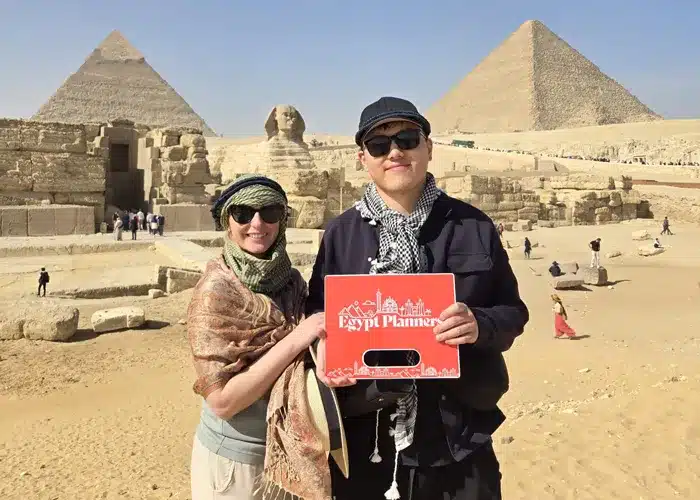
Cairo · Giza · Luxor
5 Day Cairo and Luxor Tour Package
4.9 16 reviews
- Pyramids, Saqqara & Memphis
- Egyptian Museum, Citadel & Khan el-Khalili
- Fly to Luxor: Karnak + Valley of the Kings
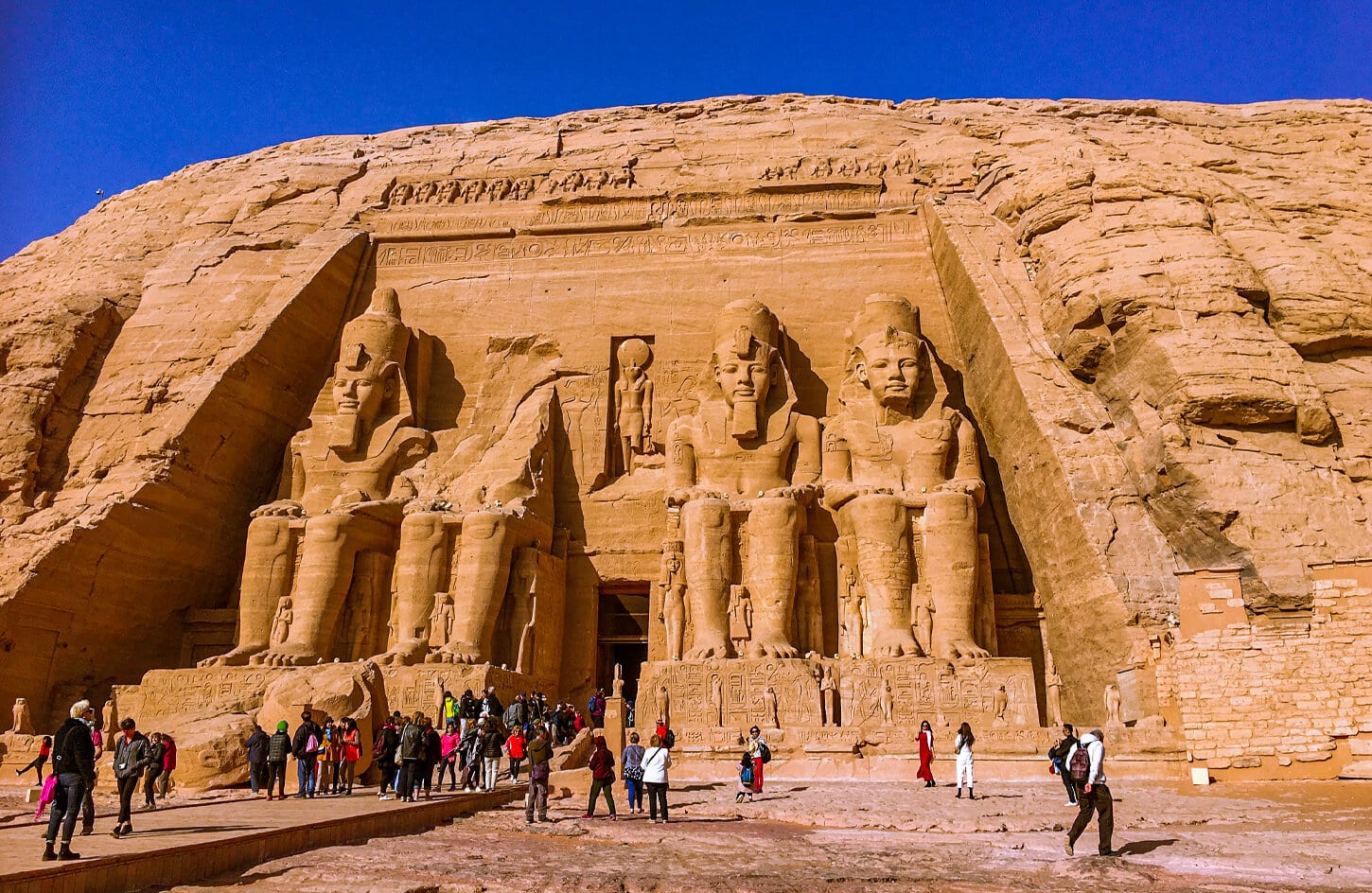
Cairo · Luxor · Aswan · Abu Simbel
6 Day Cairo, Luxor and Aswan with Abu Simbel
5.0 20 reviews
- Pyramids, Sphinx & Egyptian Museum
- Luxor, Aswan & Abu Simbel temples
- Domestic flights + 5 hotel nights

Cairo · Aswan · Luxor
7 Day Cairo with Nile Cruise
5.0 17 reviews
- Pyramids + Egyptian Museum in Cairo
- 3-night deluxe Nile cruise Aswan → Luxor
- Internal flights + all transfers included

Cairo · Nile · Abu Simbel
8 Days Cairo and 4 Nights Cruise with Abu Simbel
5.0 18 reviews
- 3 nights Cairo + 4-night Nile cruise
- Abu Simbel temples day trip
- Karnak, Luxor, Philae, Edfu, Kom Ombo
What to know before you arrive
Crossing the river
A road bridge sits about 6 km south of the centre, so a taxi between banks takes 20–30 minutes. The local ferry from the corniche is a few minutes and a few pounds, and far more fun. Every organised tour uses the bridge.
Tickets in the Valley of the Kings
The standard ticket admits you to three tombs of your choosing from those open that day. Tutankhamun, Seti I and Nefertari are all separate, extra tickets. Which tombs are open rotates, so decide on the day rather than in advance.
Heat
Luxor is hotter than Cairo and regularly passes 40 °C from May to September. The West Bank has no shade at all. Do it at dawn, take more water than you think, and keep the middle of the day for the hotel or the boat.
The balloon
Lifts off before sunrise, so pickup is around 4am, and it is over by breakfast. Flights are cancelled for wind more often than people expect — book it for your first morning so there is a second chance if it does not fly.
How long you need
Two days. One day forces you to choose between doing the West Bank properly and seeing Karnak properly. Three days lets you add a balloon and the drive to Dendera, which almost nobody does and everybody who does raves about.
Photography
Cameras are fine in the open sites. Inside the tombs a separate photography ticket applies and flash is never allowed — the pigment is original and light damages it. Phones are treated the same as cameras.
Fitting Luxor into a bigger trip?
Tell Maro how long you have in Egypt and we will tell you whether Luxor works as a cruise stop, a flight from Cairo or a base of its own — with the days laid out before you commit to anything.
Luxor attractions — your questions answered
What river is in Luxor?
The Nile. It runs south to north straight through the middle of Luxor, and it is the reason the city is laid out the way it is. The ancient Egyptians built for the living on the East Bank, where the sun rises — that is Karnak, Luxor Temple and the modern town — and buried their dead on the West Bank, where the sun sets, which is the Valley of the Kings and the mortuary temples. Everything you visit in Luxor is on one side of that river or the other.
What are the top attractions in Luxor?
Karnak Temple and Luxor Temple on the East Bank; the Valley of the Kings, the Temple of Hatshepsut and the Colossi of Memnon on the West Bank. Add a hot air balloon at dawn over the West Bank if your budget stretches — it is the single most memorable thing most travellers do in Egypt. Dendera and Abydos, two of the best-preserved temples in the country, are day trips north rather than sites in Luxor itself.
How many days do you need in Luxor?
Two. One day on the West Bank starting at dawn for the Valley of the Kings, Hatshepsut and the Colossi, and one on the East Bank for Karnak in the late afternoon and Luxor Temple floodlit at night. A single day forces you to rush one of the two, and Karnak is the usual casualty. A third day buys you a balloon flight and the drive to Dendera.
What is the difference between the East Bank and West Bank of Luxor?
The East Bank is where the sun rises, so the ancient Egyptians built temples for the living there — Karnak and Luxor Temple — and it is where the modern town, the hotels, the souk and the corniche are. The West Bank is where the sun sets, so it was reserved for the dead: the Valley of the Kings, the Valley of the Queens, the mortuary temples of Hatshepsut and others, and almost nothing modern. A bridge and a passenger ferry connect the two.
Is Karnak or Luxor Temple better?
They are different enough that you should see both, and they are twenty minutes apart. Karnak is vastly bigger — two thousand years of building by successive pharaohs, and a hall of 134 giant columns that is the reason many people come to Egypt at all. Luxor Temple is smaller, more coherent and sits in the middle of the modern town, and it is floodlit at night, which makes it the better evening. Go to Karnak in the late afternoon and Luxor Temple after dark.
Is the hot air balloon in Luxor worth it?
Yes, and it is the one optional extra we push. It lifts off before sunrise over the West Bank, so you see the Valley of the Kings, the mortuary temples, the green strip of cultivation and the desert edge all at once, in the best light of the day. Pickup is around 4am and you are back for breakfast. Flights are cancelled for wind more often than people expect, so book it for your first morning to leave a second chance.
When is the best time to visit Luxor?
October to April. Luxor sits in the desert and regularly passes 40 °C from May to September, and the West Bank has no shade whatsoever — the tombs are cut into bare rock. In the cooler months you can comfortably do a full morning outside. Whatever the month, start on the West Bank at dawn and keep the middle of the day for the hotel, the boat or the museum.
Can I visit Luxor as a day trip from Cairo?
Not comfortably in one day — it is roughly 650 km, so it means flights both ways and a punishing schedule. Our Overnight Tour to Luxor from Cairo does it properly over two days for $390 per person, flying down, covering both banks with a private Egyptologist, and staying the night. If Luxor matters to you, build it into the trip rather than bolting it on: our 5 Day Cairo and Luxor package starts at $840.